

Blogging in 2026 is no longer limited to personal diaries or hobby websites. It has evolved into a powerful medium for news publishing, brand building, affiliate marketing, digital journalism, and AI-assisted content creation. With new technologies reshaping the content landscape, bloggers are choosing platforms that offer flexibility, monetization options, SEO tools, and scalability.
Here’s a detailed look at the most popular blogging platforms of 2026.
1. WordPress – The Industry Leader
WordPress continues to dominate the blogging ecosystem in 2026.
Why It’s Popular:
- Full ownership and customization
- Thousands of plugins and themes
- Strong SEO capabilities
- Scalable from personal blog to enterprise news portal
For professional bloggers and media houses, WordPress remains the top choice due to flexibility and monetization control.
2. Medium – Built-in Audience Advantage
Medium remains attractive for writers who prefer simplicity over technical setup.
Key Features:
- No hosting required
- Clean, distraction-free interface
- Built-in reader community
- Partner Program for earning revenue
However, limited customization and branding control make it less ideal for large-scale publishing businesses.
3. Substack – The Newsletter Blogging Hybrid
In 2026, newsletter-based blogging continues to rise. Substack blends blogging with direct email distribution.
Why Creators Love It:
- Subscription-based monetization
- Direct audience ownership
- Easy publishing system
- Podcast integration
Independent journalists and niche content creators often prefer Substack for recurring revenue models.
4. Blogger – Still Relevant for Beginners
Though older, Blogger remains active among beginners due to:
- Free hosting
- Google ecosystem integration
- Simple setup
It’s suitable for hobby bloggers but lacks advanced scalability.
5. Ghost – Clean and Modern Alternative
Ghost has gained momentum among tech-savvy bloggers in 2026.
Advantages:
- Fast performance
- Built-in membership features
- Clean minimalist design
- SEO-friendly architecture
It’s ideal for serious writers who want control without WordPress complexity.
6. Wix – Drag-and-Drop Simplicity
Wix continues to attract creators who want:
- Visual website building
- No coding knowledge required
- Quick deployment
While not as powerful as WordPress for large news sites, it works well for small businesses and portfolio blogs.
7. LinkedIn – Professional Blogging
LinkedIn articles and newsletters are increasingly used for:
- Thought leadership
- Corporate blogging
- B2B content marketing
In 2026, professional audiences actively consume industry insights directly within the platform.
Key Trends in Blogging Platforms (2026)
🔹 AI-assisted writing tools integration
🔹 Built-in SEO analytics dashboards
🔹 Subscription-based monetization models
🔹 Video + blog hybrid publishing
🔹 Mobile-first design optimization
Platforms that combine content ownership, monetization flexibility, and AI support are leading the market.
Which Platform Should You Choose?
Your choice depends on your goals:
- Professional website & full control → WordPress
- Built-in audience & simplicity → Medium
- Paid subscriptions & newsletters → Substack
- Beginner & free setup → Blogger
- Modern publishing & memberships → Ghost
Conclusion
The blogging landscape in 2026 is more competitive and dynamic than ever. While WordPress remains dominant, subscription-driven platforms like Substack and community-focused spaces like Medium are redefining how content creators earn and engage audiences.
Choosing the right platform depends on your long-term strategy — whether it’s brand building, monetization, journalism, or personal expression.
Realistic Billboard Mockup PSD Design – Editable & Downloadable Template

3D Discount Numbers Illustration Premium & Modern Brand Style

Influencer Launches Adult Summer Camp for ‘Every Type of Woman in Every Stage of Life’ to Foster Offline Friendships
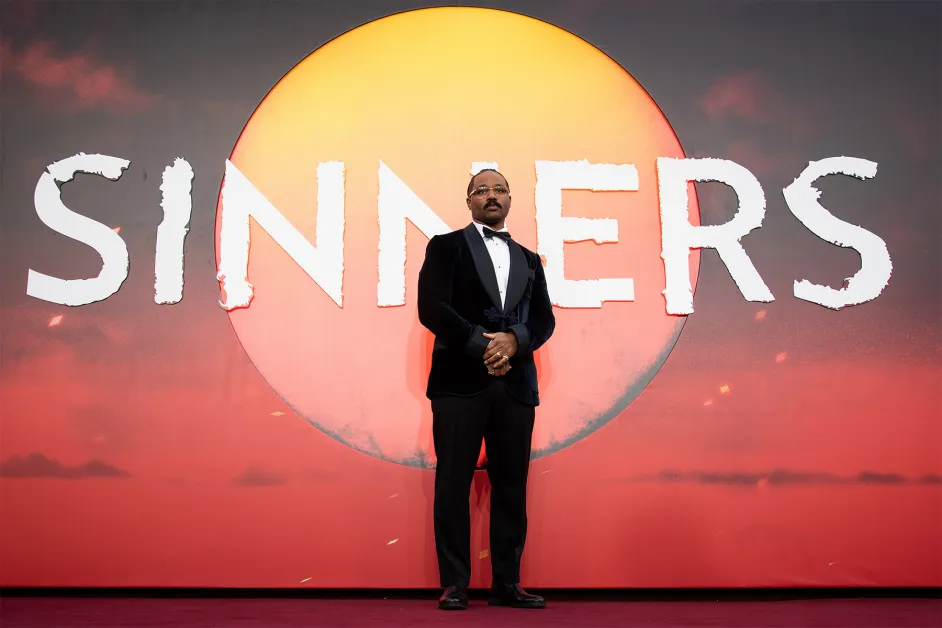
The Winners at the 2026 NAACP Image Awards: Celebration of Black Excellence
Realistic Billboard Mockup PSD Design – Editable & Downloadable Template
3D Gold Logo Mockup Facade Sign – Premium Branding for Storefronts
3D Discount Numbers Illustration Premium & Modern Brand Style