
Iran-Israel Conflict LIVE: Tehran Vows to Defend Homeland After U.S.-Israeli Strikes
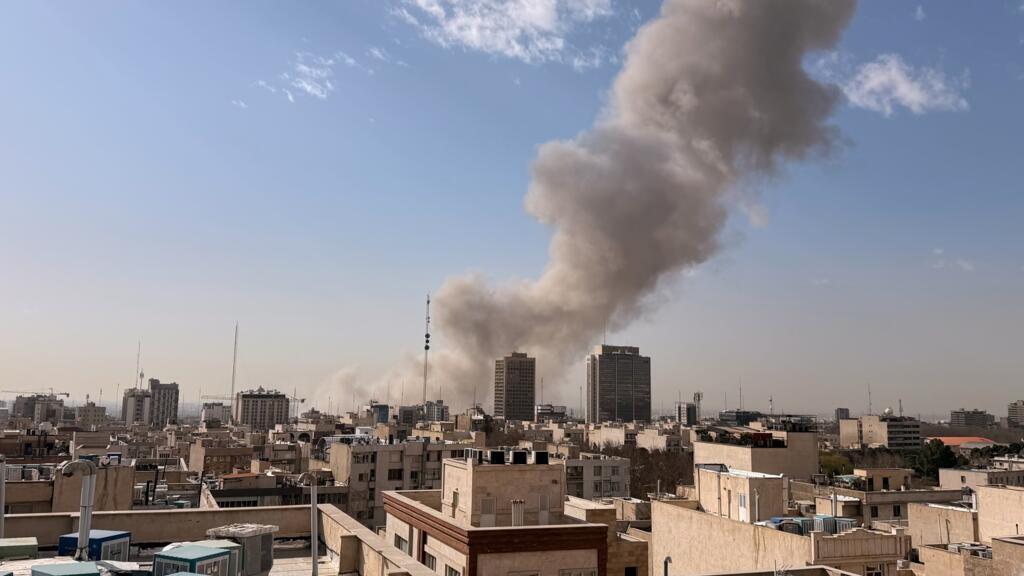
Tensions in the Middle East escalated sharply on 28 February 2026 as coordinated air and missile strikes by the United States and Israel targeted multiple locations inside the Islamic Republic of Iran. The offensive has ushered in one of the most serious military confrontations in the region in decades, prompting swift retaliation from Tehran.
What Happened: Joint Strikes on Iran
In early hours of Saturday, military forces from the U.S. and Israel launched a series of strikes against strategic targets across Iran, including areas in and around Tehran, Isfahan, Qom, and other major cities. The coordinated assault — described in official terms as part of operations named Operation Lion’s Roar, Shield of Judah, and Epic Fury — involved a combination of aerial bombardment and long-range missile attacks designed to degrade Iran’s military capabilities and infrastructure.
According to allied military spokespeople, the objective was to disrupt what they termed imminent security threats posed by Iran’s missile forces and to impede its broader nuclear and defense programs. The strikes reportedly hit facilities tied to military command and control as well as missile launch sites.
Iran’s Response: ‘Time to Defend the Homeland’
Iran responded rapidly to the air campaign. Within hours of the initial attacks, Iranian military units launched a wave of retaliatory missiles and drones aimed at Israeli territory and at American military bases located in the Gulf region. The Iranian Foreign Ministry and state authorities issued statements declaring that “the time has come to defend the homeland” and that they would confront what they called an aggressor alliance with full determination.
Tehran’s leadership framed the U.S.–Israeli strikes as an act of aggression that undermined ongoing diplomatic efforts to resolve differences, warning that all installations associated with foreign military forces would be considered legitimate targets if hostilities continued.
Impact Across the Region
The escalation has triggered a broader ripple effect throughout the Middle East:
- Airspace closures were reported across several Gulf nations, including Iraq, the UAE, Qatar, and Kuwait, as authorities sought to protect civilian flights amid fears of missile targeting.
- Global airlines suspended routes over the region, affecting travel and commerce, as international carriers cited safety concerns.
- Emergency alerts and civil defense sirens sounded in various urban centres, including within Israel, urging civilians to seek shelter and stay informed through official channels.
Reports from Qatari and Emirati authorities also confirmed interception of incoming threats, including missiles that were successfully neutralized before causing major damage within their borders.
Casualties and Civilian Impact
Initial reports indicate a mix of military and civilian casualties from the strikes. Iran acknowledged that several students were killed in one southern city following bombardment, though full casualty figures remain incomplete as the situation continues to unfold. Additionally, debris from conflict zones reportedly claimed at least one life in the UAE.
What This Means Going Forward
The current hostilities represent a significant escalation after years of simmering tensions over nuclear ambitions, missile development, and regional influence. Diplomatic outlets and conflict analysts warn that without urgent de-escalation, the conflict could draw in additional regional actors and deepen instability across West Asia.
International governments and global organizations have issued statements calling for restraint, underscoring the potential humanitarian toll if fighting continues. Meanwhile, civilian populations in the region are on high alert amid disruptions to daily life and heightened fears of further attacks.
Conclusion
The latest chapter in the Iran-Israel conflict has rapidly evolved into a wider confrontation involving the United States and multiple Middle Eastern states. With each side exchanging military action and political rhetoric, analysts and authorities are closely watching the situation for signs of de-escalation — or further intensification.

Realistic Billboard Mockup PSD Design – Editable & Downloadable Template

3D Discount Numbers Illustration Premium & Modern Brand Style

Influencer Launches Adult Summer Camp for ‘Every Type of Woman in Every Stage of Life’ to Foster Offline Friendships

The Winners at the 2026 NAACP Image Awards: Celebration of Black Excellence
Realistic Billboard Mockup PSD Design – Editable & Downloadable Template

3D Gold Logo Mockup Facade Sign – Premium Branding for Storefronts
3D Discount Numbers Illustration Premium & Modern Brand Style