

Email newsletters remain one of the most effective tools for audience engagement, brand building, and direct monetization. But one of the most common questions businesses and creators ask in 2026 is simple: How often should you send newsletters?
The answer depends on your goals, audience expectations, and content quality. Sending too frequently can lead to unsubscribes. Sending too rarely can cause your audience to forget you. Finding the right balance is crucial.
Why Frequency Matters
Newsletter frequency directly affects:
- 📩 Open rates
- 📉 Unsubscribe rates
- 💰 Revenue generation
- 🔁 Audience retention
- 📊 Brand recall
Consistency builds trust. Irregular communication weakens engagement.
Common Newsletter Frequencies (And When to Use Them)
1️⃣ Weekly Newsletters (Most Popular)
Best for: News websites, content creators, marketing brands
A weekly schedule keeps your audience informed without overwhelming them. It offers:
- Consistent engagement
- Manageable production schedule
- Higher retention compared to daily emails
This is the safest and most recommended starting point.
2️⃣ Bi-Weekly or Monthly
Best for: Corporate updates, niche blogs, small teams
If your content requires research or long-form analysis, monthly newsletters work well. However:
- Risk of lower brand recall
- Audience may forget your value proposition
Use this only if your content is premium and substantial.
3️⃣ Daily Newsletters
Best for: News portals, finance updates, sports updates
Daily emails can work when:
- Content is time-sensitive
- Audience expects regular updates
- Value is high and immediate
But daily frequency demands strong editorial planning and segmentation.
Factors to Consider Before Deciding Frequency
🎯 1. Audience Expectations
If subscribers sign up for daily news, deliver daily. If they expect insights, weekly may be ideal.
📈 2. Content Quality
Never sacrifice quality for frequency. One high-value email per week is better than three low-impact ones.
🕒 3. Industry Type
- E-commerce → 1–2 per week
- News media → Daily
- B2B consulting → Weekly or bi-weekly
- Personal brands → Weekly
📊 4. Engagement Data
Monitor:
- Open rate trends
- Click-through rates
- Unsubscribe spikes
- Spam complaints
Let analytics guide adjustments.
The Golden Rule: Consistency Over Quantity
The biggest mistake brands make is inconsistent scheduling. If you commit to weekly, stay weekly. Predictability improves:
- Reader trust
- Email deliverability
- Long-term loyalty
Signs You’re Sending Too Often
- Sudden drop in open rates
- Increase in unsubscribes
- Low click engagement
- Audience complaints
Signs You’re Sending Too Rarely
- Low brand recall
- Re-engagement difficulty
- Lower sales conversions
- Subscribers asking for updates
Recommended Strategy for 2026
For most websites and digital brands:
👉 Start with one newsletter per week
👉 Test engagement for 4–6 weeks
👉 Adjust based on analytics
👉 Segment highly engaged users for extra emails
Smart segmentation allows frequent communication without overwhelming everyone.
Final Thoughts
There is no universal number that works for everyone. The right newsletter frequency depends on audience behavior, content type, and business goals. In 2026, successful brands focus less on “how often” and more on “how valuable.”
Quality, consistency, and data-driven decisions will always outperform random frequency.

Realistic Billboard Mockup PSD Design – Editable & Downloadable Template
3D Discount Numbers Illustration Premium & Modern Brand Style

Influencer Launches Adult Summer Camp for ‘Every Type of Woman in Every Stage of Life’ to Foster Offline Friendships
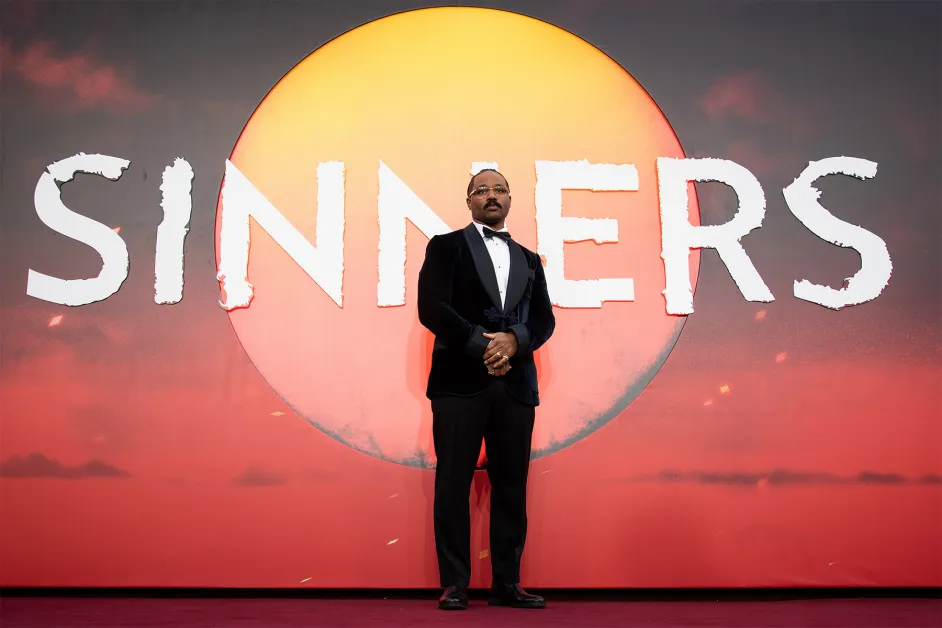
The Winners at the 2026 NAACP Image Awards: Celebration of Black Excellence
Realistic Billboard Mockup PSD Design – Editable & Downloadable Template
3D Gold Logo Mockup Facade Sign – Premium Branding for Storefronts
3D Discount Numbers Illustration Premium & Modern Brand Style