
Trump Justifies U.S.–Israel Strikes on Iran: ‘Choose Immunity or Face Certain Death’
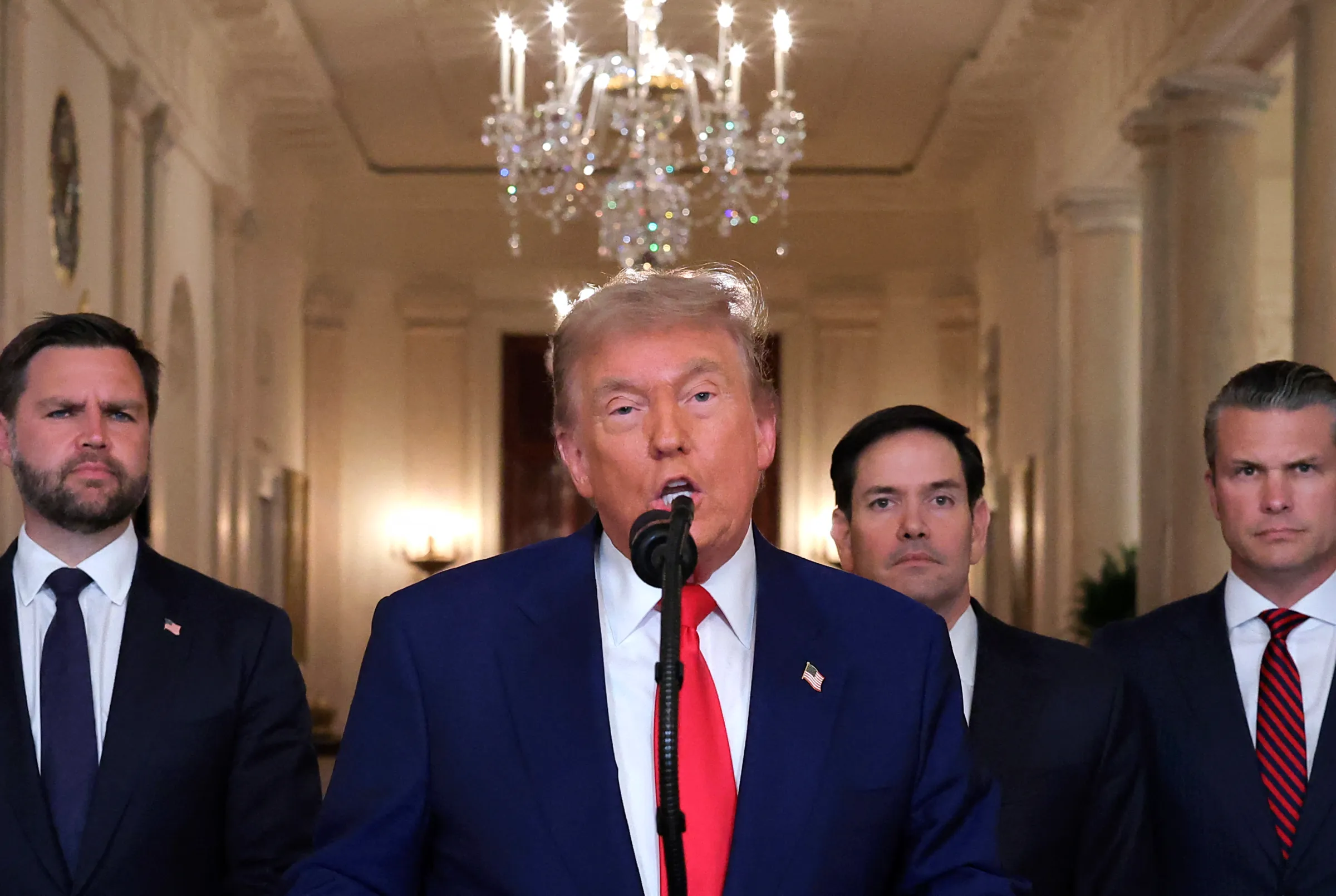
In a dramatic escalation of military conflict in the Middle East, U.S. President Donald Trump has defended the recent joint strikes by the United States and Israel against Iran, framing the offensive as a necessary action to defend national security and pressure Tehran into abandoning what he described as dangerous ambitions.
🔥 Why the Strikes Were Launched
According to Trump, the coordinated air and missile attacks, part of a military campaign dubbed Operation Epic Fury, were intended to neutralize imminent threats posed by Iran’s missile systems and military infrastructure. The president asserted that previous diplomatic efforts had failed and that continued Iranian development of nuclear and ballistic capabilities could endanger the United States and its allies.
In his statement, Trump accused Iran’s leadership of decades of hostile actions, including support for militant groups and efforts to expand its regional influence. He claimed that allowing these developments to proceed unchecked would pose a grave risk to global security.
⚖️ Trump’s Stark Message to Iran’s Armed Forces
In his address, the president offered a stark choice directly to Iran’s military personnel and Revolutionary Guard:
- Lay down your weapons and accept immunity, Trump said, suggesting that those who defect from the regime and cease fighting would be treated fairly.
- Refuse and face “certain death”, he warned, asserting that continued resistance would lead to severe consequences.
This ultimatum underscores the high stakes of the current confrontation and reflects the U.S. strategy of pressuring Iran’s military establishment to break with its political leaders.
📣 Appeal to the Iranian People
Beyond addressing the military, Trump also spoke directly to ordinary Iranians, urging them to rise up against their government once the strikes conclude. He described the current moment as a unique opportunity for internal change, suggesting that the people of Iran could seize “the hour of their freedom” by taking control of their own future.
This call for popular uprising adds a political dimension to the military campaign and highlights Trump’s aim of fostering internal pressure on Iran’s leadership.
🛡️ Risks and International Reactions
Trump acknowledged the likelihood of American casualties as a consequence of the strikes, emphasizing that such risks are inherent in major military operations. He framed the effort as a long-term investment in regional stability and prevention of future threats.
The ongoing conflict has already triggered retaliatory actions from Iran, including missile and drone launches targeting Israeli and U.S. positions across the Middle East. These developments have led to heightened military alerts, evacuated airspace, and disrupted civilian travel in several countries in the region.
🧭 How the Conflict Could Evolve
The unfolding confrontation is one of the most serious military escalations between the United States and Iran in decades. Analysts warn that the emphasis on regime change and direct messaging to both military forces and civilians could deepen the conflict and make diplomatic resolution more complex.
International response has been mixed, with some allies expressing cautious support for U.S. action while others urge restraint and de-escalation amid fears of a wider regional war.
Conclusion
President Trump’s justification of the U.S.–Israel strikes on Iran reflects a hardline strategy aimed at neutralizing perceived threats and applying pressure for systemic change. His message — offering immunity to those who surrender or warning of “certain death” to those who resist — marks a dramatic moment in international relations, with profound implications for regional security and global diplomacy.

Realistic Billboard Mockup PSD Design – Editable & Downloadable Template

3D Discount Numbers Illustration Premium & Modern Brand Style

Influencer Launches Adult Summer Camp for ‘Every Type of Woman in Every Stage of Life’ to Foster Offline Friendships
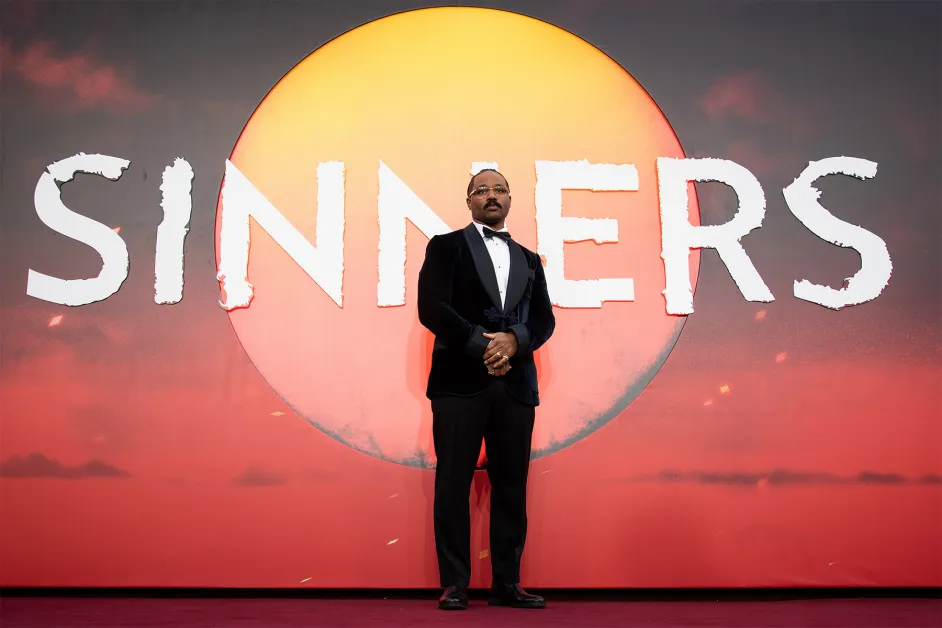
The Winners at the 2026 NAACP Image Awards: Celebration of Black Excellence
Realistic Billboard Mockup PSD Design – Editable & Downloadable Template
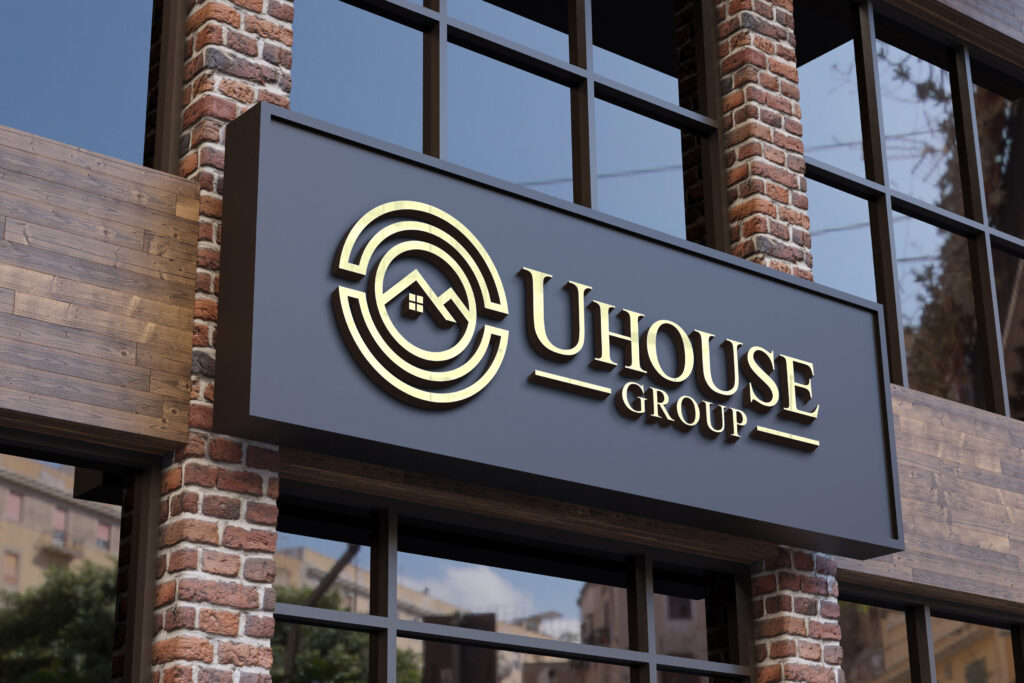
3D Gold Logo Mockup Facade Sign – Premium Branding for Storefronts
3D Discount Numbers Illustration Premium & Modern Brand Style